How to Read a Supplement Label: A Step‑by‑Step Guide
- supplement labels
- nutrition facts
- health tips
- consumer guide
- dietary supplements
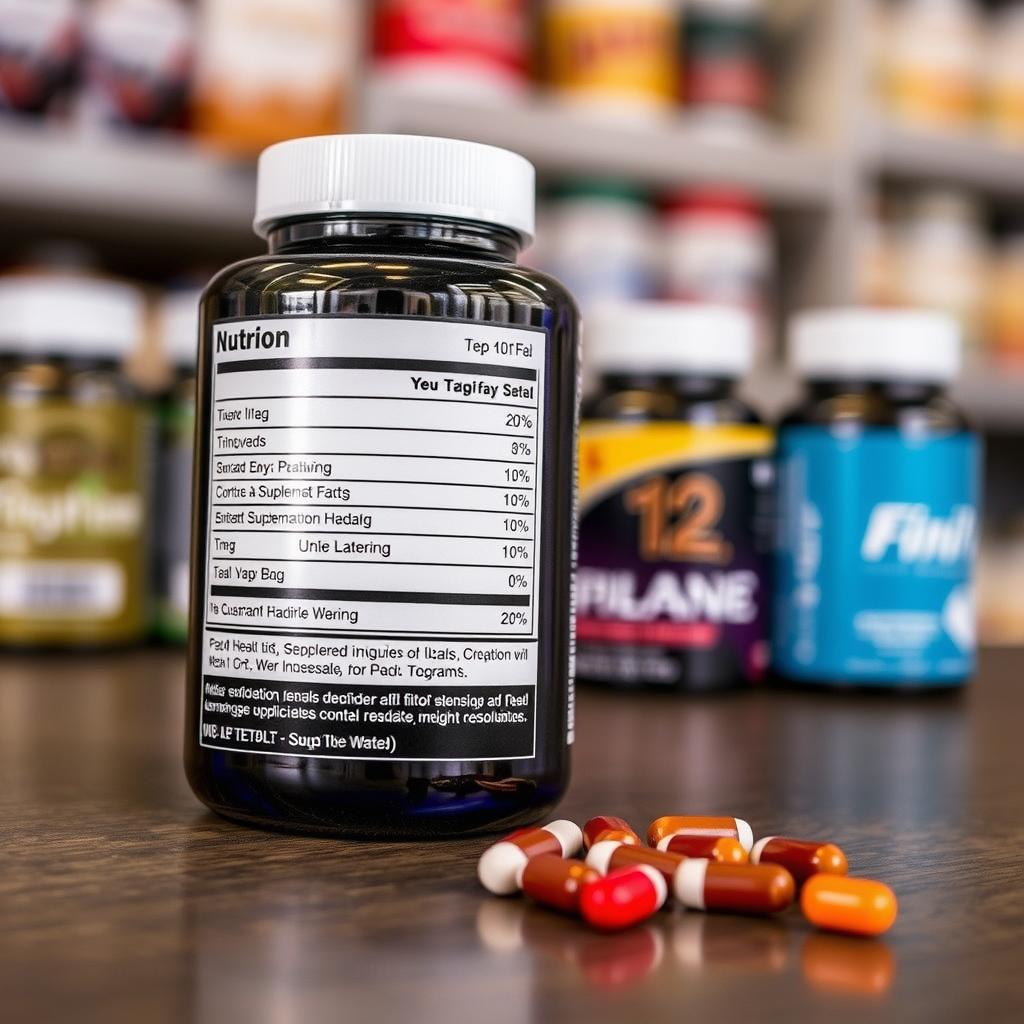
Why Understanding Supplement Labels Matters
Supplements promise everything from better sleep to stronger muscles, but the truth behind those promises lives on the label. Knowing how to read the information can prevent wasted money, unwanted side effects, and help you match a product to your health goals.
Key Parts of a Supplement Label
Every dietary supplement sold in the United States must follow the FDA's labeling requirements. The label is divided into several sections, each serving a specific purpose.
Statement of Identity – The product’s name, such as "Vitamin D3" or "Protein Powder."
Net Quantity of Contents – How much product you get, expressed in grams, milliliters, or number of capsules.
Nutrition or Supplement Facts Panel – The core data about nutrients, serving size, and % Daily Value.
Ingredient List – Every component, from active ingredients to fillers.
Other Information – Manufacturer details, lot number, expiration date, and any claims.
Familiarizing yourself with each part makes the rest of the label easier to interpret.
Decoding the Supplement Facts Panel
The Supplement Facts panel is the heart of the label. It tells you exactly what you’ll consume per serving.
Serving Size – Indicates the amount you should take at one time. Pay attention; some products list a serving as "2 capsules" while the suggested use may be "2‑3 servings per day."
Amount Per Serving – Shows the weight or volume of each nutrient, often in milligrams (mg) or micrograms (µg).
% Daily Value (%DV) – A benchmark based on a 2,000‑calorie diet. If a vitamin shows 150% DV, you’re getting 1.5 times the recommended amount.
Other Ingredients – Non‑active components like binders, flavorings, or sweeteners. These can affect tolerability or interact with medications.
When a label lists a nutrient as "Not a Significant Source of," it means the amount is too low to impact your diet.
Understanding Serving Size vs. Daily Dose
Manufacturers sometimes set a serving size that makes the %DV look impressive while the actual dose you need might be higher. To avoid under‑dosing:
Check the recommended daily allowance (RDA) for the nutrient you’re interested in.
Compare the label’s amount per serving to the RDA.
If the label provides only 30% of the RDA per serving, you may need to take more than one serving, but verify safety first.
Always cross‑reference with reputable sources like the NIH Office of Dietary Supplements.
Spotting Potentially Problematic Additives
Even if the active ingredient looks good, fillers and additives can cause issues.
Artificial Sweeteners – Such as sucralose or aspartame; some people prefer to avoid them.
Heavy Metals – Look for certifications like USP or NSF that test for contaminants.
Allergens – Common allergens include soy, dairy, gluten, and nuts. Labels must disclose these.
Proprietary Blends – These hide the exact amount of each ingredient, making it hard to assess safety and efficacy.
If you have sensitivities or are on medication, note these ingredients before buying.
Evaluating Health Claims and Legal Language
Supplement labels often feature marketing statements like "supports immune health" or "boosts energy." These are called structure‑function claims and are not evaluated by the FDA. Here’s how to treat them:
Check if the claim is supported by scientific research. Look for peer‑reviewed studies or reputable health organization endorsements.
Beware of absolute language such as "cures" or "prevents"—these are prohibited for supplements.
Note the disclaimer that typically follows the claim: "These statements have not been evaluated by the FDA. This product is not intended to diagnose, treat, cure, or prevent any disease."
Use the claim as a starting point, but verify with independent sources.
How to Compare Prices and Save Money
Price per serving is a more accurate measure than price per bottle.
Calculate the total number of servings: Net quantity ÷ serving size.
Divide the price by the number of servings to get cost per serving.
Compare that figure across brands that offer the same dosage and ingredient quality.
Look for bulk discounts, subscription options, or reputable coupon sites that may offer legitimate promo codes. Always verify the expiration date and any minimum purchase requirements.
Safety Tips Before Starting a New Supplement
Even a well‑labeled product can pose risks if used incorrectly.
Consult a Healthcare Professional – Especially if you’re pregnant, nursing, have chronic conditions, or take prescription meds.
Check for Interactions – Some vitamins (e.g., high‑dose vitamin K) can interfere with blood thinners.
Start Low, Go Slow – Begin with the lowest effective dose and monitor how you feel.
Track Expiration Dates – Potency can decline after the listed date.
Keeping a simple log of what you take, when, and any side effects can help you and your healthcare provider make informed adjustments.
Common Misconceptions About Supplement Labels
Understanding the label also means debunking myths.
"Natural" Means Safe – Natural ingredients can still cause allergic reactions or interact with drugs.
Higher %DV Is Always Better – Excessive amounts of certain nutrients (like fat‑soluble vitamins A, D, E, K) can be toxic.
All Supplements Are Tested – The FDA does not pre‑approve supplements; quality depends on the manufacturer’s testing practices.
Approach each label with a critical eye and balance marketing hype with factual data.
Conclusion
Reading a supplement label is a skill that protects your health and your wallet. Start by identifying the serving size, compare the nutrient amounts to established daily values, and scrutinize the ingredient list for allergens or unwanted additives. Verify any health claims with reputable research, calculate cost per serving to find the best value, and always consult a healthcare professional before beginning a new regimen. By following these steps, you’ll make more informed choices, avoid common pitfalls, and get the most benefit from the supplements you decide to use.